
7 Common Mistakes Owners Make With Guinea Pig Care
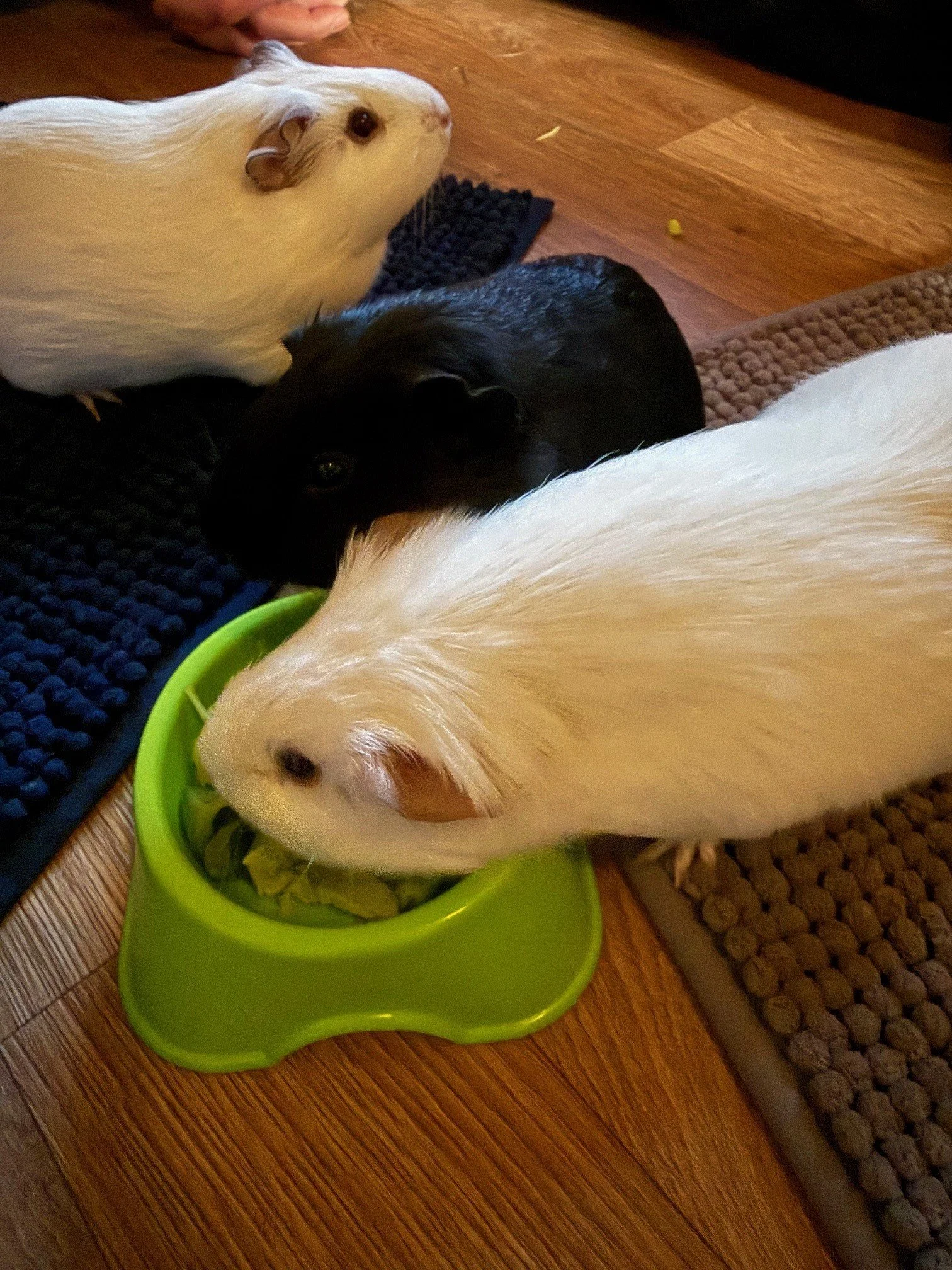
How much do you understand your piggies needs?
Guinea pigs are adorable, affectionate little pets that bring so much joy to a home. However, despite their popularity, many owners are surprised to learn just how specialised their care needs can be. Small mistakes can have a big impact on a guinea pig’s health and wellbeing.
Whether you’re a first-time owner or have cared for guinea pigs for years, here are some of the most common mistakes we see and how to avoid them.
1. Feeding Too Many Pellets and Not Enough Hay
One of the biggest misconceptions about guinea pig care is that pellets should make up the majority of their diet. In reality, hay is the most important food for guinea pigs and should be available at all times.
Hay helps:
Keep their digestive system healthy
Prevent dental problems
Provide natural enrichment and foraging behaviour
Pellets should only be fed in small amounts alongside fresh vegetables and unlimited hay.
2. Forgetting Vitamin C
Unlike humans, guinea pigs cannot produce their own Vitamin C, meaning they must get it from their diet every single day.
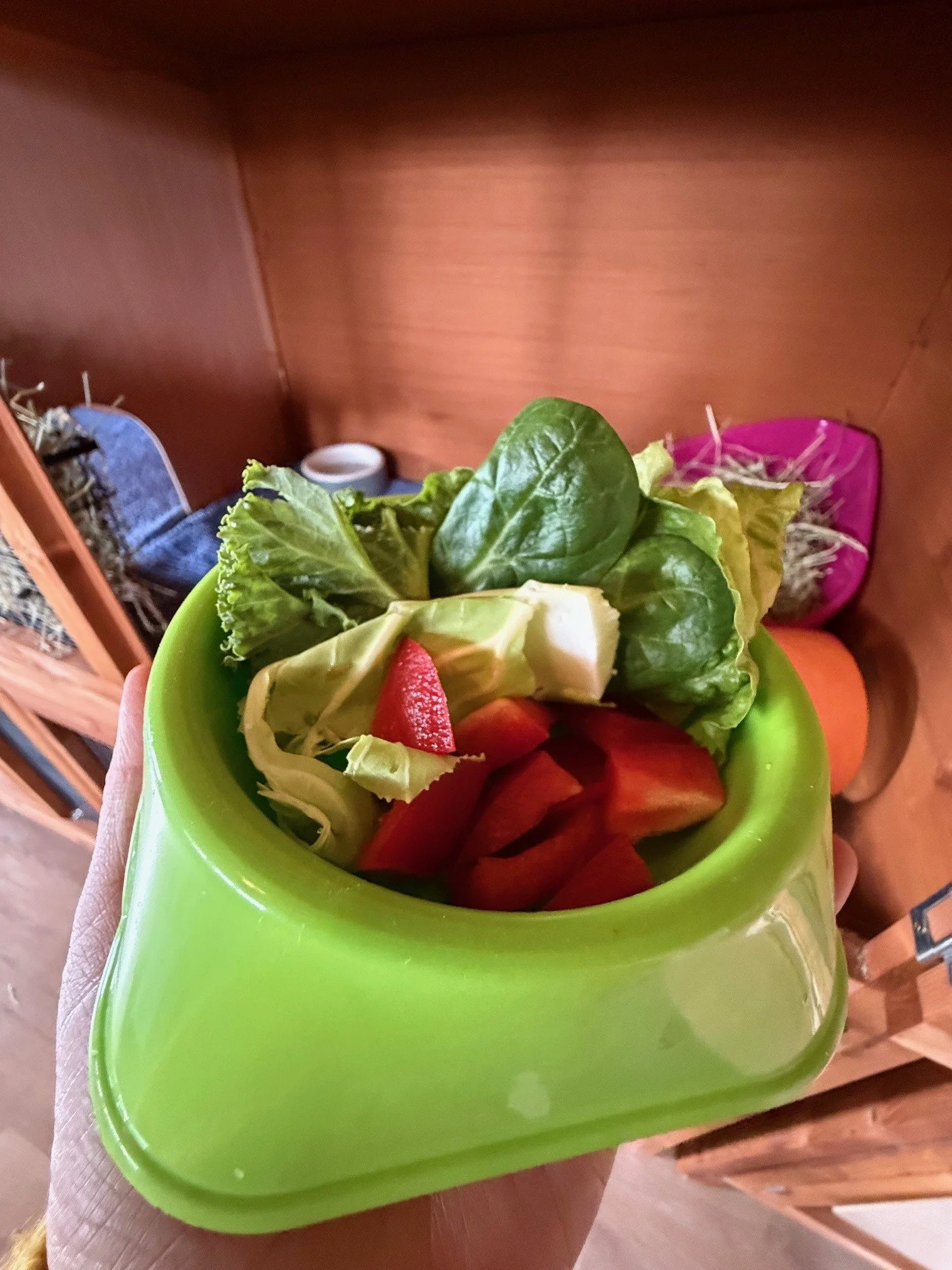
A lack of Vitamin C can lead to serious health problems including:
Weak joints
Loss of appetite
Lethargy
Poor immune health
Fresh vegetables such as peppers, kale, and coriander are excellent natural sources of Vitamin C.
3. Keeping Guinea Pigs Alone
Guinea pigs are highly social animals and generally thrive when living with another compatible guinea pig. Keeping a guinea pig alone can lead to loneliness and boredom.
Companionship is incredibly important for their emotional wellbeing, and bonded pairs often appear happier, more active, and more confident.
4. Housing That Is Too Small
Many cages sold in pet shops are unfortunately far too small for guinea pigs.
Guinea pigs need:
Space to run and exercise
Separate areas for sleeping and eating
Enrichment and hiding places
Larger enclosures encourage natural behaviour and greatly improve quality of life. The bigger the space, the happier your guinea pigs will be.
5. Not Monitoring Their Weight
Guinea pigs are very good at hiding illness, so regular weighing is one of the best ways to spot health issues early.
A sudden drop in weight can indicate:
Dental problems
Digestive issues
Infection or illness
Weekly weight checks are a simple but valuable part of good guinea pig care.
6. Incorrect Bedding Choices
Some bedding materials can irritate guinea pigs’ respiratory systems or cause discomfort.
Avoid:
Dusty bedding
Cedar or pine shavings with strong oils
Damp or poorly cleaned enclosures
Soft, absorbent, low-dust bedding is always the safest option.
7. Assuming Small Pets Need Less Attention
Because guinea pigs are small animals, they are sometimes seen as “easy” pets. In reality, they need daily care, enrichment, social interaction, and careful monitoring.
They thrive with:
Gentle handling
Mental stimulation
Routine and consistency
Clean, secure environments
Guinea pigs may be small, but their care requirements are significant.
Final Thoughts
Guinea pigs are wonderful companions with loving personalities and unique needs. With the right care, they can live happy, healthy lives and become much-loved members of the family.
At our boarding service, we understand how important proper guinea pig care is. From diet and cleanliness to companionship and comfort, we provide attentive care designed specifically for small animals, giving owners peace of mind while they are away.
If you’re planning a holiday and looking for experienced guinea pig boarding, we’d love to help. Feel free to get in touch to learn more about our accommodation and care.
We can’t wait to welcome your furry friend for their next holiday!